Blog Feed

Injection or Pill?

If your doctor gave you the option of an effective injection over your over-the-counter Excedrin to treat your migraine? What about even as a preventative for episodic migraines?

As of June 4th, 2019, the U.S. Food and Drug Administration (FDA) approved Emgality drug for both treatment and preventative measures for episodic migraines. An episodic migraine can be characterized by patients who experience zero to fourteen migraines a month, becoming chronic after reaching fifteen or more migraines per month. Though if you were to ask any individual that has experiences a full blown migraine, they could easily argue that more than one a month is painful enough. Each migraine begins with a unique personal trigger (maybe a woman’s mensural cycle, the weather changing, stress, smell, etc.) for each individual experiencing one. This trigger sends a signal to the brain that then prompts blood vessels in your brain to swell, nerve fibers coiled around blood vessels to release chemicals to instigate pain and inflammation. And before the Excedrin bottle could even be opened sometimes, ‘central sensitization’ has now developed spread along nerve pathways from your head to your neck and spine. The vicious and fretted migraine has already began.

But now doctors, researchers, and drug developers are able to prescribe a medication that can stop this cascade of unfortunate events from unfolding. Emgality uses the power of monoclonal antibodies to treat migraine victims, like many other drugs utilized for diseases such as cancer. Monoclonal antibodies are created in a laboratory and sometimes grown in other species such as mice or rabbit. These test species are used to synthesize immune system proteins that make up monoclonal antibodies. Once secreted, these engineered molecules can substitute antibodies within the patients body to enhance, mimic or restore immune system function. The monoclonal antibodies can be made to have a variety of functions, most commonly to aid the immune system in recognition of harmful foreign cells that proper T cells and the alike may destroy. Though for Emgality, or galcanezumab-gnlm, holds a humanized IgG4 monoclonal antibody for specifically calcitonin-gene related peptide (CGRP) ligand and made from hamster ovary cells after recombinant DNA technology.

Through humanized IgG4 monoclonal antibody being present, it works as an antagonist of certain proteins thought to trigger and cause episodic migraines. The injection of the drug prompts a negative immune response by blocking the binding sites on the CGRP receptor. Later studies have found it to have numerous cellular targets for migraine therapy, affecting the function of vascular smooth muscle cells, mast cells, glial cells, neurons in the CNS and more. All of which are involved with the unfolding of a migraine. Most importantly though it inhibits the CGRP receptors on dural mast cells that would typically prompt mast cell degranulation, histamine release and other pro-inflammatory agents that cause the peripheral sensitization during a migraine. Which would typically cause immense pain for an individual during a migraine if the CGRP receptor was not blocked by this antagonist.

Adults with reported episodic migraines are the encompassed demographic for Emgality. A patient who falls within this demographic is able to receive and later administer Emgality injections on themselves. Two consecutive injections totally 240 mg of Emgality are required as a loading dose, along with monthly 120 mg injections. Side effects of Emgality include:

(At the site of injection)

  • redness
  • itchiness
  • pain
  • tenderness

Most patients experience mild and short lasting side effects at the site of injection, which are very common given the administration method of the drug. Though serious side affects that are not as common include:

  • skin rash
  • itchiness
  • flushing in the face and neck (skin warmth and redness)
  • allergic reaction
    • swelling under the skin, in eyelids, lips, hands or feet
    • swelling of the tongue, mouth or throat
    • trouble breathing
  • fatigue
  • respiratory tract infection
  • back pain
  • sore throat
  • sinus infection

Given these possible side effects in relation to the episodic migraine treatment and prevention Emgality is used for, these side effects seem common compared to other recently released or even commonly taken drugs. Therefore, if an individual suffered from migraines sometimes fourteen out of the thirty-ish days of a single month, Emgality may be worth a try.

One thing that is very serious for both doctors and their patients to be careful about is the chance of an allergic reaction. There have been contraindications in patients with hypersensitivity to galcanezumab-gnlm (the monoclonal antibody used in Emgality) or any of its substituents.

With also a very small percentage of test patients during trials that had an immune reaction where they developed antibodies against Emgality itself. Individuals with this issue are unable to use the drug given that it does not work for them once the antibodies against the engineered antibodies are created–funny how our immune systems work sometimes, right?

Once carefully testing for hypersensitivity or tentatively trying Emgality while being attentive to how your body responds, it can be a drug that outweighs common side effects and grants individuals their regular lives back. Migraine free.
COVID-19 Immunity Passports?

As the COVID-19 persists, the numbers of infected continue to rise at alarming rates. As I have been watching the news channels to keep myself updated on these numbers, I have also stumbled upon the plummeting stock markets. The United States has implemented stimulus acts and other countries have attempted to fight their economies from crumbling. All while still trying to keep the healthy population steady and death toll as low as possible. Though as stay-at-home measures in the United States continue given the later hit of COVID-19, other countries are pondering the possibility of ‘Immunity Passports’.

Countries that are considering Immunity Passports include Germany and the UK at large. The main idea of these passports is to get people out of their homes, back to work and begin to fall back into normal routines–but ONLY if you are claimed immune to COVID-19. And how do these countries decide who is immune and who is not? At home antibody testing. Simply through a prick of a finger for a blood sample and an apparatus for testing such sample.

Via MIT Technology Review journal, the antibodies that these tests look for are IgM, IgG and IgA. These antibodies are particularly important because after an individual has been exposed to the virus, the proteins specific to SARS-CoV-2 virus are able to be recognized (or bound) to the naive mature B cells or plasma cells. Once recognized, the SARS-CoV-2 viral proteins trigger the proper/specific immune response to fight off the virus. The creation of these antibodies determine how their bodies will react to COVID-19 both initially and if reinfected. But the big question is; why are these antibodies so important and worth being tested for?

Without getting into too much ~scientific~ explanation as my family likes to claim I do (but will probably fail), our immune system response begins with a specific antigen entering the body. In terms of COVID-19, our antigen is presented from viral SARS-CoV-2. Dendritic cells become activated via pathogen recognition receptors (PRRs), binding to MAMPS, DAMPS or PAMPS to allow dendritic cells to know the specific immune response to trigger with presentation of SARS-CoV-2. Dendritic cells down-regulate self peptides and up-regulate pathogen peptides on their MHC Class I and II molecules, triggering the right T cells through simultaneous signals to become ready-to-fight effector T cells (helper or cytotoxic). Though while this is also happening, the same antigen finds a B cell that is specific to the same response. Cross linking of at least two B cell receptors (BCR) occurs, exogenous antigens are placed into its MHC Class II molecules to up-regulate B7, CD40 and cytokines (signal one). Finally IgM is secreted and causes a short-lived antibody production to fight the virus. An individual with only IgM antibody titers will only be “immune” (using this term lightly) for up to 10 days.

In order for longer acting IgG and IgA antibodies to be secreted from the B cell, a second signal from a fully activated T helper cell must occur. Expression of both IgM and IgG antibody titers can provide a much longer protection against COVID-19 (up to 21 days). Though the most effective antibodies would be mainly IgG secreted from plasma cells or memory B cells, which can provide long term immunity against COVID-19. This is why specifically individuals presenting IgG antibody secretion would be targeted to be granted Immunity Passports.

Though sadly there are drawbacks to this testing that weight on scientist’s consciouses. The possibility of false immune positives from the tests limited capabilities (i.e. sensitivity vs. specificity) and that those who are truly ‘positive’ with primarily an IgG antibody titer can still possibly infect others. Even with so symptoms, aka asymptomatic. A recent study reveals that SARS-CoV-2 infections have been found to have different stages. With specifically stage I, “stealth” carriers, being hard to control with shedding the virus unknowingly. Along with even some discharged patients showing returning SARS-COV-2 positive and even relapsing.

Overall, it is understandable that all across the world people are trying anything to safely return to normal life. Though they continue to struggle on what protocols are safe enough to avoid stronger waves of the COVID-19 pandemic.

Battling Breast Cancer

When undergoing my research for this week’s blog, I was able to learn about the many different diseases that dendritic cell and/or T cell therapy have the possibility to fight or even treat. This even includes many different cancer therapies to replace the tradition chemotherapy treatment route. With my grandfather (or ‘Pop’ to my sisters and I) currently battling lung cancer after a lifelong career as a radiologist, this blog topic resonates with me. Especially with the ongoing COVID-19 pandemic occurring.

Though rather than discuss lung cancer therapy therapy today, I chose to focus on another type of cancer that affects the lives of so many woman and even men across the world: breast cancer. Breast cancer occurs when an uncontrollable growth of abnormal cells originate in the breasts. The first sign of breast cancer initially is the formation of a tumor within different parts of the breast that can be either felt or viewed on an x-ray. Common treatments for breast cancer include chemotherapy and/or the removing of the tumor. At times this can be whole breast(s) of women removed, which is not desirable. Therefore, therefore scientists have been working to use dendritic cells specifically to find a less invasive, more efficient and possibly safer way to battle the disease to give breast cancer patients a chance at a normal, healthier life.

Dendritic cells function in the immune system by presenting antigens on cells surfaces for T cells and killer cells to recognize to eradicate. And by using dendritic cells for breast cancer therapy, your T cells and other immune cells are prompted to recognize the cancer cells versus healthy cells your body. Essentially, each therapy is specific to each patients ‘self cells’ to enhance or boost their immune system by the work of itself. Due to the specificity and lack of harmful side effects that otherwise chemotherapy would cause, dendritic cell therapy has prompted a lot of new research.

In one research study, scientist created a cancer cell membrane coated with calcium carbonate nanoparticles to derive antigens associated with tumors. With these antigens they were able to test a low dose doxorubicin hydrochloride encapsulated in the calcium carbonate nanoparticles to cause cell death for a vaccine against breast cancer cells. Upon living subjects, they were able to successfully inhibit growth of a specific breast tumor and further spread among the body with an adequate low dose of the encapsulated doxorubicin hydrochloride injections. Which they suggest to even pair with other immunotherapy methods to treat breast cancer patients.

Another second study investigated the use of both dendritic cells and cytotoxic dendritic cell induced antigen-specific T lymphocytes. With this combination, these scientist hoped to eliminate primary cancer cells in the breast that cause tumors reoccurrence and spreading throughout the body. Breast cancer patients own blood was used to create the mix with use of tumor antigens derived also from patients. Different form the study previously discussed, this therapy was only done after immunotherapy was discontinued. The only downfall is that it takes 3-6 months after termination of immunotherapy to become a candidate for this treatment, along with a small surgery. Though the results showed improving immunity and reduced relapse of breast cancer.

Similar to other cancer therapies, there are side affects to treatments. Though these side affects are minimum to none for dendritic cell therapy. The biggest downfall of dendritic cell therapy lies within its cost. Given that it is not the main stream breast cancer treatment and is fairly new, along with being patient specific, the cost can be as high as $22,000 for a 5 day treatment. Or even $35,000 a month for a 5 month home care supply of dendritic cell injections. Once perfected, hopefully the cost will become more affordable for all breast cancer–or any cancer–patients to give them the lives they all deserve.

Testing, Testing…Is This Thing On?

For the beginning of my blog post, I am going to preach because my family and pets are very tired of hearing about my opinions. I apologize in advance if I offend any readers. Though I also like to think that if you are offended by anything I am about to say, then you are also in denial about the literal pandemic happening outside our very homes.

Whereas the second part of the blog will consist of explaining my life during this momentous occurrence. From yoga to binge watching, you will get to read about my eventful life at home.

……………………………………………………………………………

Part One: The Preach

The Stay at Home order is not a concept that I disagree with. I do strongly believe that as a society we tend to follow rules better when they are put into legislation.

Yes, I am speaking to all of my other college peers who (1) not only decided to travel, but (2) also decided to not self-quarantine when strongly suggested by health professionals. I personally may of returned home for spring break (I am BIG broke) so those of you who traveled are probably about to jump out of your seats with defenses against my opinion, but hear me out.

I have friends that traveled, I have friends that didn’t. I have friends that even had a full trip booked, paid for and ready to go for Bimini–but decided not to go. I do not think that people who saved up money to treat themselves for a week should be punished for going. Honestly, I encouraged my friends to go on their pre-planned trips. I was more adamant on making sure they just thought of the logistics of flying back home if unexpected closures occurred where they were going. Though the actions I cannot understand nor quite respect from those who traveled were the individuals who decided not self-quarantine, or maybe ended self-quarantine early because it was ‘too hard’.

Uh yes, it absolutely sucks to self-quarantine. But don’t worry, now all of us get to suffer together right?

Wrong. Yeah we all have to suffer, but what about the risk you were putting everyone else in just because self-quarantining was challenging. I can tell you something much more challenging; controlling a single virus on a worldly level. Viruses are not something that are easy to get rid of. They are undetected to the naked eye, able to mutate, hard to control and sometimes unable to cure.

WoW. As I type this I can sense myself becoming more and more enraged, ~possibly~ even bitter. But I am just in awe of how innately self-oriented we are as a society. I know this includes myself, but one thing that I have been actively trying to practice is community preservation rather than self preservation. And it is a mindset that I believe all Americans need to be actively conscientious of. Speaking to the too-popular-to-quarantine-spring-breakers to the I-need-50-rolls-of-toilet-paper-when-I-poop individuals. So rather than continue to preach for several more paragraphs, here is some of my advice and/or opinions in an organized list (I love lists):

  • Think of those that are unable to normally fight off COVID-19 compared to a healthy individual with no underlying medical complications, whether a grandparent or adult or child or even newborn.
  • Stay calm and only buy supplies that are realistic to your needs.
  • Remain kind to both those familiar to you and those who are not. Everyone is scared, everyone is anxious.

……………………………………………………………………………

Part Two: What I’m Up To

A large focus of what the Stay at Home order has been for me is mental health. I tend to slip into negative thinking loops when living at home again, feeling as if I have regressed on my progress of adult-ing. I believe that this is a common feeling among individuals my age and I hope that you know you’re not alone. Mental health is just as important as physical health and arguably drives personal physical wellbeing. As an advocate of both since I’ve started high school, I decided to get into yoga when gyms across Mecklenburg County began to close.

I dabbled into a few vinyasa hot yoga classes when I was about sixteen, but stopped going because I enjoyed by HIIT Training and weights better. Also, I am terribly inflexible. But the very place I used to take hot yoga at sent Zoom links for live at-home classes, I decided to get back into it. I found that it was challenging but also gave me great gratitude for my body’s abilities. I have learned that it is very important to listen to your body, but also mentally push yourself over challenges you may face–physically in the moment or something you’re mentally holding onto.

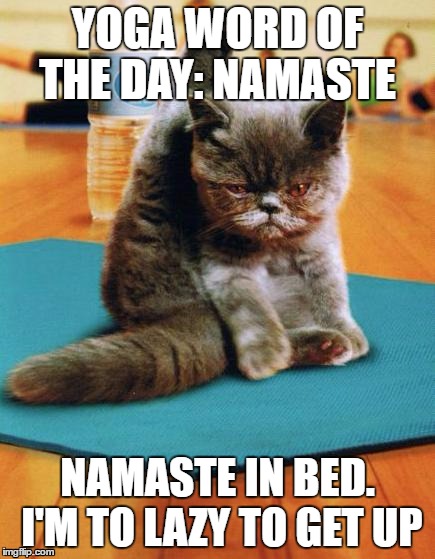
Let me tell you though, I have been so awful about sleeping in and getting into a good daily regiment. My sleeping in particularly can be anywhere from 10am to 1pm and it kills my day. These are typically the days that I tend to skip out on yoga and be unmotivated…

yoga cat Meme Generator - Imgflip
Me, on days I wake up at 1pm, and don’t listen to anything my body tells me but “go back to sleep”.
Via https://imgflip.com/memegenerator/22474429/yoga-cat

It is really hard to be motivated during this time, when your days sort of blend together and you tend to struggle to find purpose in your actions. But I always like to remind myself that the stronger I remain mentally, the healthier those who are at risk remain. So even when I may be unmotivated to physically tax myself or work my brain with assignments, I tend to dip into my creative side. I make sure that on these days I decide to express myself through painting or drawing. The other day my sisters and I even sad outside on the porch paining and listening to music.

So overall, it has been hard for me even if it doesn’t particularly affect my work ethic all the time. Though I encourage myself and others around me to make sure that you are taking care of yourself in positive, maybe even new, ways and practices. Take advantage of the extra self-care time we are given and remain active both mentally and physically. In the long run, we will save lives. We will create a conscientious and kind world for those after us, because we will survive through a historic pandemic.

True or False?

Even with the COVID-19 pandemic occurring outside our homes, it is important to not lose sight of other prevailing health concerns. Sexually transmitted diseases have existed essentially since human repopulation, with hints of STIs/STDs even described in age-old texts (e.g. Ebers Papyrus and the Old Testament). The medical field progressed as time passed and now we have access to treatments for most STDs or at least protocol to manage symptoms. Though despite medicine evolving, STDs are still a serious threat to humans. And personally I believe that it is from the lack of knowledge and/or care for safe sex practices…or sex in general. Adolescents and adults have adopted sex and STD preconceptions circulating within our society and its’ norms that are entirely unsafe.

In order to made this blog more interesting and more ~interactive~, I am going to focus on common preconceptions people have on STDs through a game of true or false. These preconceptions will focus primarily on transmission and prevention strategies. I will give a list of numbered statements below and you (at home, social distancing of course) will write your answers as true or false for each statement. The answers and explanations will follow after. No peeking!

  1. Oral sex is not considered sex.
  2. Newborns and babies can be given STIs/STDs.
  3. Condoms are not effective against most STDs.
  4. Social determinants of health can leave adolescents more vulnerable to acquire STIs.
  5. Programs available to inform adolescents about sex can decrease STD cases.

……………………………………………………………………….

Now, the answers:

  1. FALSE, a big fat false. Oral sex is sex. Particularly adolescents view oral sex practices as being a loophole from sex, when itself is an act of sexual intercourse. Many people in general believe that oral sex is safer than sex in terms of transmitting disease and therefore condom use is typically minimal. This popular belief is alarming to health professionals and should be to the public too. Oral sex is still allowing infectious sexual bodily fluids of one to penetrate the mucous membrane of another’s mouth. Therefore, you are not protected from HPV, herpes, MC, syphilis, chlamydia and more without condom use.
  2. TRUE. Vertical transmission can cause newborns and babies to acquire STDs, mother-to-child. For example, HTLV-1 transmission through breast feeding and even infant mortality through STI vertical transmission of congenital syphilis, neonatal herpes, congenital HIV and more.
  3. FALSE. Condoms are effective against preventing the transmission of many STDs. This ties into the first statement of this series, though condoms are effective against preventing transmission of HIV, chlamydia, gonorrhea and much more–whether an individual is participating in heterosexual or homosexual intercourse. A study done in Amsterdam and Rotterdam gay bars with public sex venues (PSVs) revealed that when free condoms were available to bar goers by courtesy of the bars, annual STD incidence risk decreased for various STDs–especially for chlamydia and gonorrhea.
  4. TRUE. A study applies the hierarchy of Social Determinants of Health (SDH) to quantify the vulnerability of adolescents to STDs. Intrinsic characteristics (gender, age, genetics), behavior/lifestyle, social and community, living and working conditions and finally environmental aspects an individual has or is exposed to were used to evaluate each subjects vulnerability. It was found in the study that the living and working condition social determinate influenced the vulnerability to acquiring a STD directly. Therefore, adolescents with unfavorable conditions surrounding them are more vulnerable to participating in unprotected sexual intercourse and further acquiring an STD.
  5. TRUE. Education is a powerful thing, no matter the subject! A study protocol was released regarding a comprehensive reproductive health program for adolescent females that are vulnerable for incidence. With the proper knowledge, while addressing common taboos surrounding females in the world, they are able to recognize safer and healthier decisions regarding sex.

Antibiotic Resistance: Full Circle

Picture a world without antibiotics available, whatsoever. As a child, or very ~mature~ adult, you would have to suffer through dreaded strep throat. Image being stuck with the frog in your throat, bed ridden with fever and unable to eat beloved food because it literally pains you to swallow. And the only thing you could do is wallow in misery until your body fights off the infection in 7 days rather than a mere 5.

I want those who are reading to now picture how contagious you remain without antibiotics available. Ranging from infants to elderly to those immunocompromised, these individuals can lose their life to an infection that you got over in a week. And through antibiotic resistance, this demographic of people are now vulnerable and robbed of a treatment their bodies may require.

It may sound intense, though it is going to take a group effort to not eliminate antibiotic resistance, but rather slow the momentum in the resistance. This requires activism from doctors, patients, farmers, veterinarians and more–around the world. Antibiotic resistance is not an isolated event and is progressing in every corner of every country.

And when I say every corner, I am quite literal. Antibiotic resistance is not an issue that only doctors and their patients need to control. This resistance issue has leaked out of the hospital and into the environment. Further affecting the soil we grow food in, the food the livestock eat that we later consume and even our water sources.

After reading this post, you should walk away with these two understandings:

  1. What antibiotics are and further what antibiotic resistance is by definition.
  2. Real life examples of the issues arising from antibiotic resistance.

…………………………………………………………

Antibiotics are medications that treat bacterial infections through killing the targeted bacteria or slowing/suspending the bacteria’s grow by interfering with bacteria reproduction. Antibiotic resistance arises when the target bacteria develop the ability to fight off the antibiotics intended to kill them, allowing the infection to flourish. One distinction of antibiotic resistance that is important to understand is that it is not our bodies that are resistant to antibiotics, but rather the bacteria itself become resistant. Ultimately, antibiotic resistance began from the bacteria’s will to merely survive. This innate survival of bacteria has become so intense that superbugs (strains of bacteria that are resistant to the majority of antibiotics). When penicillin was discovered and in circulation for patients, antibiotic resistance became possible and is now a growing problem. So how extensive is antibiotic resistance around the world?

Hospitals / Medical Facilities

Hospitals are full of patients vulnerable for many different diseases and infections if the staff is not careful or the building is not adequately equipped. A specific hospital-acquired infection that has become significant are Enterococci infections. Healthcare practitioners are alarmed by this infection specifically because it is tied to a very high rate of antibiotic resistance. And to make matters worse, Enterococci are carried by healthy individuals (such as doctors, hospital staff and visitors) and brought on to the immunocompromised patients within the facility. Enterococcus species have many different virulence factors that allow survival outside and inside of a patient. And now that this species is resistant to common fluoroquinolones antibiotics, it is beyond troublesome to everyone entering the hospitals and medical facilities.

Environment

Antibiotic resistance genes (ARGs) are a challenge to human health and have now infiltrated the very soil we live on top of. The most scary discovery of the soil and environment studies done is that antibiotic resistance was here possibly before we created synthetic antibiotics. The living organisms in the soils are affected by antibiotics already and the addition of our synthetic antibiotics the human population distributes only make ARGs more prevalent. It is in soil we grow vegetables, fruits, grains–all which are now exposed to ARGs and further consumed by humans and animals.

On top of the issue of ARGs in our soil, antibiotic resistance even effects our water sources (e.g. creeks, in this case) and extends throughout the complex food web of the world. And this extension is linked to the antibiotic pollution of creek sediments from industrial effluents, enriching the body of water with antibiotic resistant bacteria and the ARGs they have. Human pollution has forever been a concern, but did you know this includes antibiotic pollution? It is quite terrifying how the connection of abiotic and biotic things we were introduced to in elementary school are now prevalent in other ways than just energy dispersion.

Food (!!!)

***All I can say is that now our very food has been tampered with, it’s gone TOO far.

Possibly your doctor has suggested you look into purchasing food items with probiotics, or maybe social media pushed the health benefits of probiotics. Popular foods and drinks loaded with probiotics include maybe yogurt or kombucha. And as we have grown up and learned about positive changes in our diets, probiotics are always encourages. But recently, scientists have looked into the possible link of probiotics and antibiotic resistance. One of the biggest concerns with the push for probiotics, are both the vertical transfer of probiotic bacteria causing resistance within the gut biota and the horizontal transfer of multi-drug resistance to pathogens and intestinal microflora during antibiotic therapy. Never would I have ever predicted that the probiotic food I have been encourage to eat, could now be found dangerous by possible antibiotic resistance.

…………………………………………………………

Luckily, upcoming healthcare officials in varying parts of the world are now being taught the dangers of antibiotic resistant. Particularly in Indonesia, Malaysia and Pakistan Pharmacy schools have integrated antibiotic resistance and appropriate antibiotic therapy education in their curriculum. This is a step to bridge the gap of antibiotic positives and negatives when prescribing patients. And in turn, it is up to our population as patients and other occupations effected by antibiotic resistance to take and use antibiotics only when needed so that their advantages may continued to be used to treat those who need them.

“Every Last Child”

The slogan emphasized on the Polio Global Eradication Initiative, “every last child,” is the goal for this public-private partnership. The World Health Organization (WHO), Rotary International, US Centers for Disease Control and Prevention (CDC), United Nations Children’s Fund (UNICEF), Bill and Melinda Gates Foundation and Gavi have banded together to become the core partners for this initiative of a polio-free world through vaccination(s). Since their creation, many countries (56, to be exact) have either been declared polio free or involved with the initiative. Though in the last six months, there has been issues arising in terms of the IPV and OPV vaccinations for polio–further hindering the progression of a polio-free world.

Before jumping into the frightening re-emerging polio cases in the Philippines or the controversy growing in Pakistan–trust me, we will get there–distinction between the two prevalent polio vaccines must be understood. Along with the different serotypes of poliovirus.

Serotypes of any virus are synonymous of the different strains of a microorganism. The poliovirus has three. And in the 1950s, the Salk vaccine was created to prevent all three serotypes from the inactivated virus particles of all together. Today, this vaccine is referred to as the inactivated polio vaccine (IPV). The downside of this vaccine were the abundant injections needed for polio protection–and as we all know, the more subsequent injections that follow an initial injection, the larger the margin of error for us to forget or neglect the next. Therefore, in 1961 the oral polio vaccine (OPV) was successfully created from the attenuated strains that target replication in the throat and intestinal tract. For simplicity, we progressed from injecting individuals with dead poliovirus serotypes to taking live (but attenuated) poliovirus.

……………………………………………………….

Now, let’s talk about the Philippines and Pakistan in terms of polio and poliovirus vaccination.

In the Philippines, two polio cases have re-emerged after nineteen years and have been deemed vaccine-derived poliovirus infections. These two cases were diagnosed within a span of two days but were almost 1,000 miles apart within the Philippines. Both WHO and UNICEF are concerned with the causative serotype of the two cases–wild poliovirus type 2 (WPV) or vaccine-derived polioviruses (VDPV). Especially since WPV was declared eradicated in 2015 and the bivalent OPV against type 1 and 3 have since only been given. Though the reason it has re-emerged in the Philippines is from it circulating within local sewage and waterways. Geneva has already sent the Philippines a stock of monovalent type 2 vaccine but has foreseen troubles of getting through security and logistics of the area. Unfortunately, even once the monovalent vaccine arrives, all three doses of OPV and one IPV dose of the vaccine are needed for full protection–which the Philippines cannot provide due to inadequate delivery and care extending to highly rural areas. Officials are actively doing anything they can to fix this issue, though only so many resources and finances are available.

Another issue involving polio vaccination is the arise of anti-vaccination movement in Pakistan. Initially it took intervening of religious extremism, government officials and global political interests to push for vaccination. Though now, there has been retaliation and propaganda within the public for regular poliovirus vaccinations. This in turn is causing false linkages to mishandling of the vaccine to side-effects patients have been experiencing after receiving the vaccination. And to make matters worse, there is poor awareness for booster doses for those that are getting vaccinated.

After doing research on polio, a virus I believed no one was diagnosed with in our day and age, further made me more aware of the bubble I live in. I am very fortunate to live in both a financially stable home, along with easy access to both general education and health education. Though, in other countries this is not the case. Every day countries like the Philippines and Pakistan have to attend to obstacles I never could imaged, just to receive vaccinations that are quite literally required for certain things in the USA. So for everyone reading, take advantage and be thankful for the small things, such as vaccinations, that are taken for granted because of our privilege.

It’s All in the Gut

Alright, so I know everyone is most likely beginning or in the middle of their round one midterm season. Because of all the ~insanity~ going on with school and more, this week’s post is going to be a sweet, short and informative read. Today we are placing ourselves under the microscope and will be discussing the very organisms living both on and in us.

…………………………………………….

The human microbiome is an extraordinary thing. The microbes that live on our surface and even within us can even have the key to diagnoses such as cancer, or even evaluate aging. In the world we live in today, we are able to both inquire and test theories regarding the use of reading or even modifying one’s microbiota to further inform and possibly even improve personal health. Given the endless wonders of studying the microbiome of humans and other species, the two focus topics of today are derived from two different studies: diagnostics and aging.

As scientists have peaked their interest in the human microbiome, there has been a direct increase in the scientific abilities that arise from profiling microbiota. The microbiota in our intestinal track (aka our gut) particularly have links to human health and disease. Intestinal microbiota can be used in areas ranging from cancer screening to the success of transplants. This range is so large due to the abundance of genetic diversity found in the microbiota of the gut and the different strains they express for different diseases. Metagenomic sequencing is key to understand the diversity of the strains microbiota can express. Other methods of profiling microbiota include PCR, but can be riddled with limitations such as mismatching within primer binding sites. This results in the amplified area of DNA possibly not truly depicting an individual’s microbiota, in turn opening possibilities to misdiagnose them. Due to PCR limitations, this is why scientists have leaned more on analyzing genomes through metagenomics. Metagenomics is more sensitive, complete and does not require the same primers as PCR. With this methodology of diagnosis, scientists are bringing a more effective and possibly preventative way of detecting underlying diseases in an individual’s body.

Tests and further diagnosis are able to be made from the microbiota living on and within a human due to holobiont associations between them (microbiota) and us (our body). In another paper that I read in preparation for this blog post suggested that such association can be analyzed further from only diagnosis, but rather serve as an indicator of aging signs also. Coined the hologenome theory of aging, scientist Bianca Bana and Filipe Cabreiro suggest, “the holobiont as the combined physiological entity undergoing aging.” Other indicators of age, such as telomere shortening, cause phenotypic signs of aging. Whether it is growing taller or beginning to grow gray hair, our telomeres and microbiota are altered within our bodies. Based on the information we have learned in class, it seems highly likely that our microbiota shift as we age older older given that our microbiota can differ from merely dietary choices. And once again intestinal microbiota specifically hold key characteristics for scientists to determine age progressions. Our gut microbiota is hit the hardest through the different diets, environment changes and possibly diseases we endure throughout our lifetime. Therefore, the microbiota in this area suggest linkage between aging and increased intestinal permeability and inflammation, along with even intestinal barrier dysfunction development. Bana and Cabreiro even found evidence of intestinal microbiota importance in Caenorhabiditis elegans (nematode), Drosophila melangogaster (fly), Nothobranchius furzeri (fish) and Mus musculus (mouse) in addition to humans. Further linking a relationship between aging and altercations in our gut microbiota.

From the handful of studies I have sifted through to find adequate resources to fit my post, all have mentioned the vast possibilities that could extend from putting ourselves, and our microbiota, under the microscope. Scientist hope to even find if scientific modifications to the microorganisms living on and within us could prevent or treat human diseases or predisposed conditions. To me, it looks like this is only the tip of the iceberg.

An Old Friend, or Foe?

Based on National Center for Health Statistics (NCHS) mortality surveillance data available on February 6, 2020, 7.1% of the deaths occurring during the week ending January 25, 2020 (week 4) were due to P&I. This percentage is below the epidemic threshold of 7.2% for week 4.

While looking through my endless folders of stained mice brain slides for this week (see my ‘Hello & Welcome’ post if confused), I decided to switch up my usual Crime Junkie podcast to the TWiV on the Corona virus. When Dr. Cramer suggested this podcast to the class last week and mentioned the latest episode featured discussion on the Corona virus, my ears perked up. But the information I walked away with after listening was something I never expected, but ironically had memory similar to that of an old friend.

The flu.

Surprisingly I found myself listening to 4 (very long, but interesting) hours about the Corona virus and how these scientist reached the conclusion that the Influenza virus worries them more. The 2019-2020 influenza season has surpassed initial prediction of cases, especially in infants and young children. In fact, by early September, statistics reveal projects of an upward of 600 cases in only infants. And unlike the Corona virus statistics so far, Influenza reveals a mortality rate of 2% among various age demographics.

……………………………………………………

As an aside, I would like to personally explain that I do not make comparisons between the Corona virus and Influenza to downplay the alarming magnitude of the Corona virus. I keep the John Hopkins website updates on the Corona virus open in a tab 24/7 on my laptop and cannot express enough my condolences to families who have suffered and loss around the world. Rather, I ask my readers to put Influenza in perspective alongside the Corona virus. Even though the flu is a familiar virus, it should be treated with the same concern and preventative behaviors we do when any other unknown virus (like the Corona virus) begins to infiltrate and infect our homes. Quite honestly, we shouldn’t even have to be reminded of precautions we should be personally taking for our own health.

Now that this is off my chest, ~continue~ the blog post below.

……………………………………………………

The flu has lingered among the United States and other countries since we all could remember. Though this virus may be a commonly contracted virus with an infamous name, the face of it annually alters from undoubtedly familiar to generally similar. But the ability for the Influenza virus to morph slightly into different strains make it very difficult to predict the exact strain that will dominate for the upcoming year. This year particularly has been driven by the Influenza A and B strains.

The different strains of Influenza are caused by the variants in the viral RNA found within the virion. Due to different viral RNA, the different strains in turn can cause different signs and symptoms. Symptoms range from the chills, the full body aches and fevers, to possibly even stomach aches and pains leading individuals to even throw up. The impact this virus has on an individual is also very different according to one’s immune system, age, health, etc. So much so that last year I tested positive for Influenza A two days before the UNC vs. Duke game, curtesy of my loving boyfriend, and STILL was able to rush Franklin when we won. Whereas on the other hand, he was dying. But not actually.

Also, I know what you’re thinking, I suck and could have spread the virus to all the people I came in contact with. Though all I have to say is, two days into the flu with symptoms is much past the incubation period. And I wore a mask.

But still, don’t do this unless the greatest sports rivalry OF ALL TIME beckons you to do so. There are no other exceptions.

Now back on topic, there is no cure for the Influenza virus. Rather there is the trusty, old flu vaccine. The flu vaccine is an individual’s greatest chance of prevention for the Influenza virus, whether it was made to protect you from last year’s dominant strand or not. The vaccine prepares your body for a possible infection from this virus before it even occurs and can quite literally save your life. Along with washing your hands or using hand sanitizer frequently due to the never changing enveloped virus characteristic of Influenza (in any strand!).

I know that it is hard to keep up with your flu vaccine, for any reason. Between you and I, I didn’t receive my vaccine either for this year’s flu season despite my consistent flu vaccinations in previous years. I though that the vaccine was not effective and catching the flu is something common, not nearly deadly. And based on a study by Penn State College of Medicine, individuals like me are termed “flu-floppers,” or those that do not consistently and consecutively receive their flu vaccine. Other flu-flopper individuals and flu-flopper families find themselves in the same passive loop I have found myself in, as I lazily put off the vaccine or even try to irrationally rationalize (oxymorons for the win) with myself that this single year’s will not be effective anyways.

But after being in MCRO 251, this is a decision I regret and I am very lucky I have not yet caught this virus. The CDC estimates, as of October 1st 2019 to February 1st 2020, there have been a range of 22 to 31 million cases of the flu and 12 to 30 thousand deaths. Along with upward of 370,000 hospitalizations. Never would I ever have predicted such high numbers for a virus we take so lightly.

I do not wish to scare any readers, though I do want these numbers to have weight. Luckily, very intellectual individuals have created the Mobile Influenza Analysis (MIA). This portable device provides on-site diagnosis of the Influenza A strain in patients and sequences the genome of this virus within about 15 hours. This is a remarkable creation, because if scientist are able to map and sequence the genome of a virus, it is more likely they will be able to find a way to stop this virus. For us at home, I ask for us to do our part in this fight against Influenza. Receive your flu vaccination, wash/sanitize your hands frequently and understand this virus is not an old friend, rather most definitely a foe.

Five Words to Live By

A phrase that we are constantly told throughout our teachings in mathematics, any sciences, even in mere deductive reasoning; correlation does not imply causation.

As I was educating myself to write our first blog post, this phrase consistently interrupted my train of thought. But before we go into the who, what, where, why, etc. I’d like to share a story of how coincidental our first post is about such topic.

……………………………………….

Like any other Sunday night, I found myself laying on the couch and browsing though documentaries on Netflix. I quite enjoy documentaries because I feel like I can validate my neglect of doing actual school work, by replacing it with something sort of…educational (???). Though I ended up stumbling upon a documentary titled Pandemic (a Netflix original, of course) about epidemiology, viruses, vaccines and all the good stuff.

Well after I woke up from my nap during the first two episodes, I woke up to a woman being interviewed in her home. This woman explained that she homeschooled her 4 young children and the scene shifted to her giving a lesson on consent. I was following this woman, agreeing that consent in any situation 110% required, all until she began talking about doctors and vaccine consent.

This family and many other families in the area do not vaccinate their children with fears of other diseases, such as autism, occurring because of vaccines. And that their children could not attend school because of not receiving vaccines.

I was shocked. I have been vaccinated my whole life. I even received vaccines in my own home from our neighboring nurse. I was devastated by the fact that these children could not have normal interactions with other children because of their family’s choice to remain unvaccinated.

Okay–so where is the coincidence? Well I was very interested where the movement for no vaccinations originated from and when I began this assignment, BOOM. I was given the answer.

Andrew Wakefield. Mid to late 1980s.

Wakefield is a former doctor who conducted a study originally on twelve children, ranging from ages 3 to 11. When these children were referred to a gastroenterology unit for chronic enterocolitis and regressive developmental disorder, Wakefield recruited them for his study on the Measles, Mumps and Rubella (MMR) vaccine and autism. Short and sweet, Wakefield concluded from this study that, “the MMR vaccine causes a bowel disorder, which he [Wakefield] calls autistic enterocolitis, that then causes autism.” You can find the nitty gritty details of his study here.

Though the thing that is most interesting about his study was that it was quickly retracted from The Lancet, because it was very dishonest (to be nice).

The General Medical Council in Britain even revoked Wakefield’s medical license due to the, “numerous ethical violations that tainted Wakefield’s work.” Just to name a few violations and possibly even other motives for publishing this paper:

  • Wakefield included fraudulent data through misrepresented timelines to suggest direct linkage of the autism to the MMR vaccine.
  • Unnecessarily subjected children with developmental disorders to invasive procedures.
  • Mishandling funds for the study, including benefiting from financing from lawyers who were formulating a case against vaccine manufacturers for a so called, “separate study.”

These violations did not even touch on the group of people he found this cohort with–parents; parents of children with autism! The group he conducted the study on were children that were self referred by parents. And in these parents’ defense, I believe that people can undermine the frustration that comes from watching your child struggle with a developmental disability and not know how it came about. These parents could have be maybe thinking how this study could even end up saving other children from the same disability, if successful. So as the media began heavy coverage on Wakefield’s study and claim, his theory gained momentum within the public and further prompted a following.

In the beginning, he actively spoke on the Autism Research Institute conference and gained support from the coordinator of the Houston Autism Disability Network at the time. Though once other scientists caught wind of Wakefield’s momentous theory of MMR vaccine causing autism in children, it was game over.

“Correlation does not imply causation,” each independent scientist persisted. The Archive of Pediatrics and Adolescent Medicine did some digging (lots of digging, so much so it took until 2003) and concluded there was no evidence of an association between autism and MMR. Along with numerous other studies within peer-reviewed journal. Also, the director of the National Institute for Mental Health, who has a $120 million dollar research project on autism in the works, does not agree with Wakefield. And on a side note, some of the very resources Wakefield uses in his study on The Lancet would have information on MMR vaccine, autism and chronic enterocolitis that was not connected to one another and did not imply causation. Like Fudenburg, Gupta and Warren. You can find some more claims from other scientist here also.

Despite the disproof in Wakefield’s theory, the movement of no vaccinations still prevail across the world today. As other theories and claims piggy back off of the Wakefield and those of his time. And the big question we are all wondering is, what is happening in response to Measles, Mumps, and Varicella infections and vaccinations around the world?

Thankfully, the World Health Organization (WHO) is tackling infection of MMR, along with may other viruses, with immunization coverage. As written in December of 2019, “global measles mortality have declined by 73%,” along with, “immunization currently prevents 2-3 million deaths every year.” And even more great facts can be found here.

WHO has even enacted a Global Vaccine Action Plan (GVAP) that will give individuals equitable access to vaccines around the world in the coming years. Along with endorsing many national programs to strengthen awareness in governance and other leadership to fight certain viruses–possible even eradicate–through the use of vaccines and immunization services.

Cool, right?

*P.s. if the second hyperlink to a Proquest New York Times article is not viewable, here is the citation:

Dominus, Susan. “The Denunciation of Dr. Wakefield.” New York Times Magazine, Apr 24, 2011, pp. 36-39,50-51,53